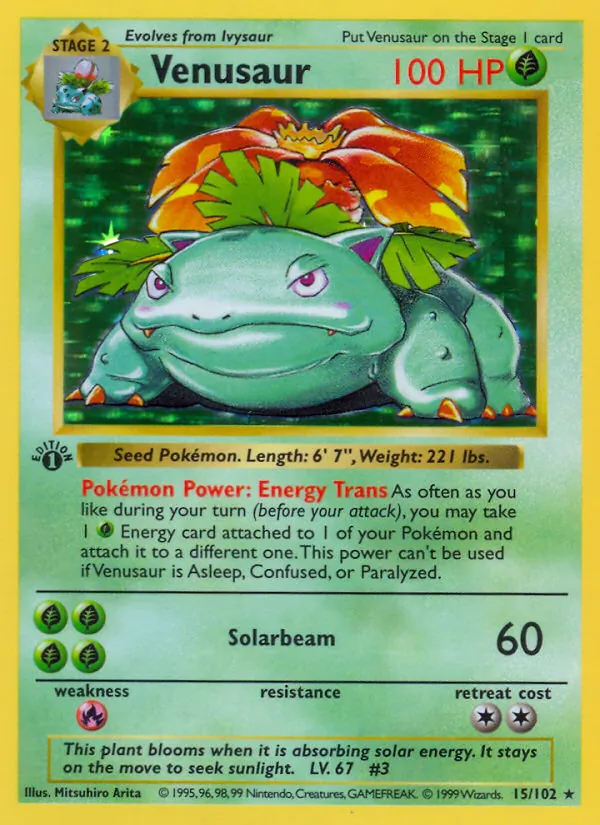
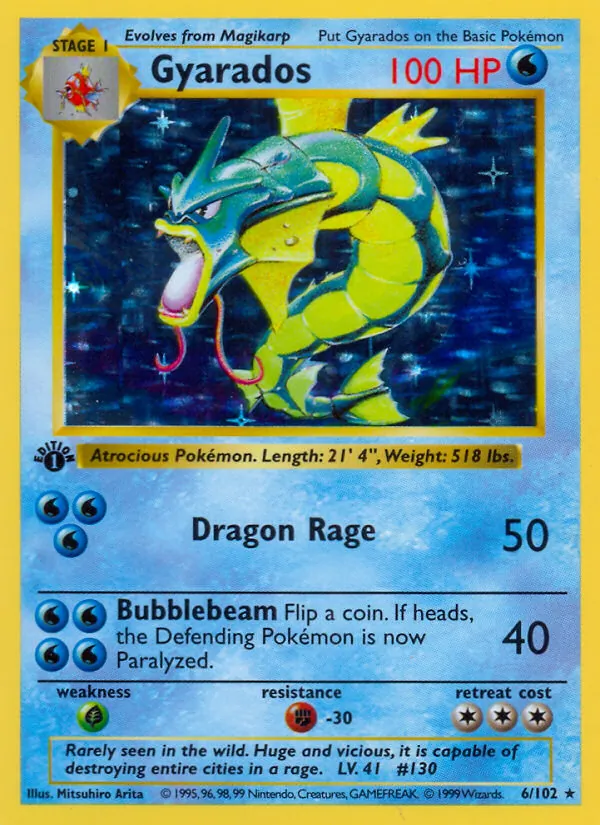
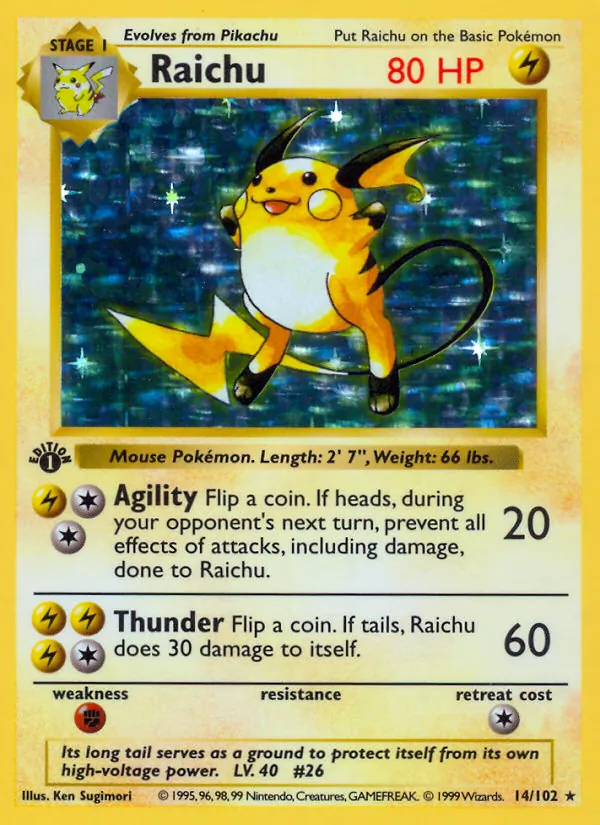
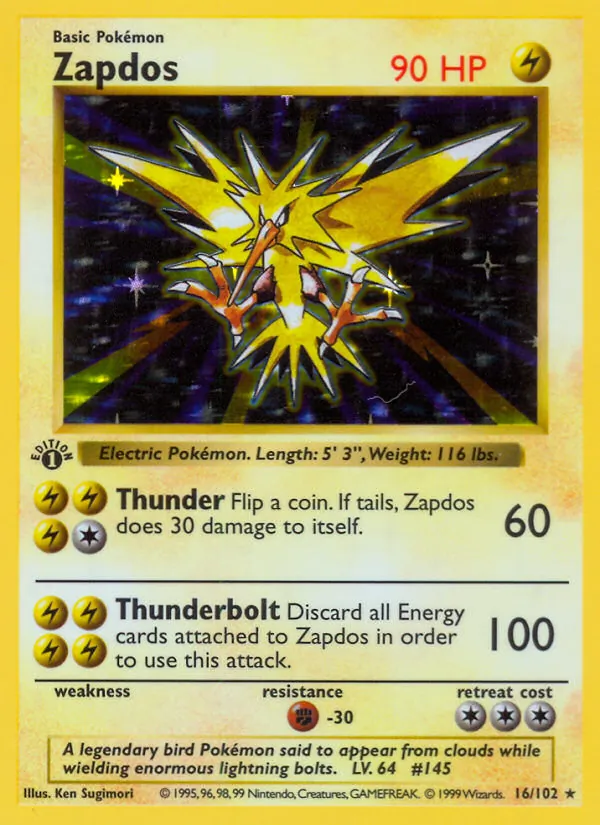
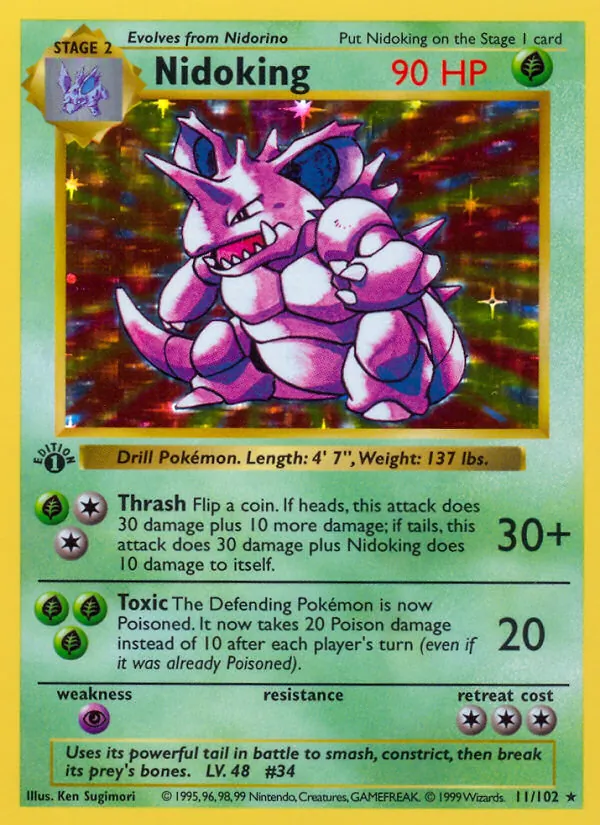
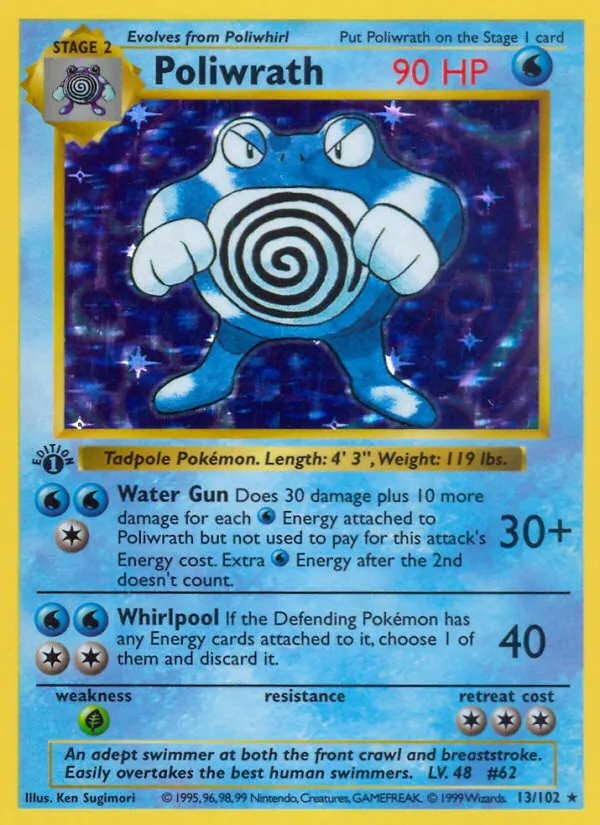
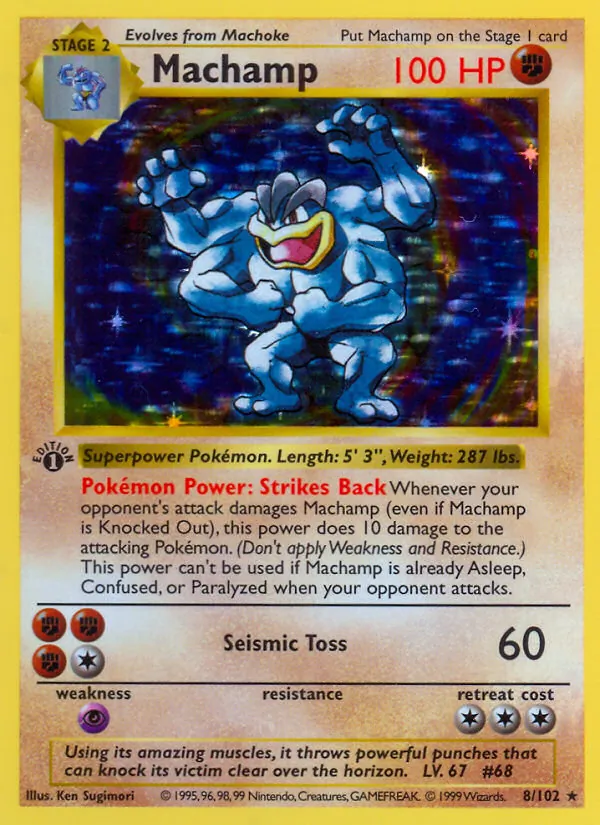
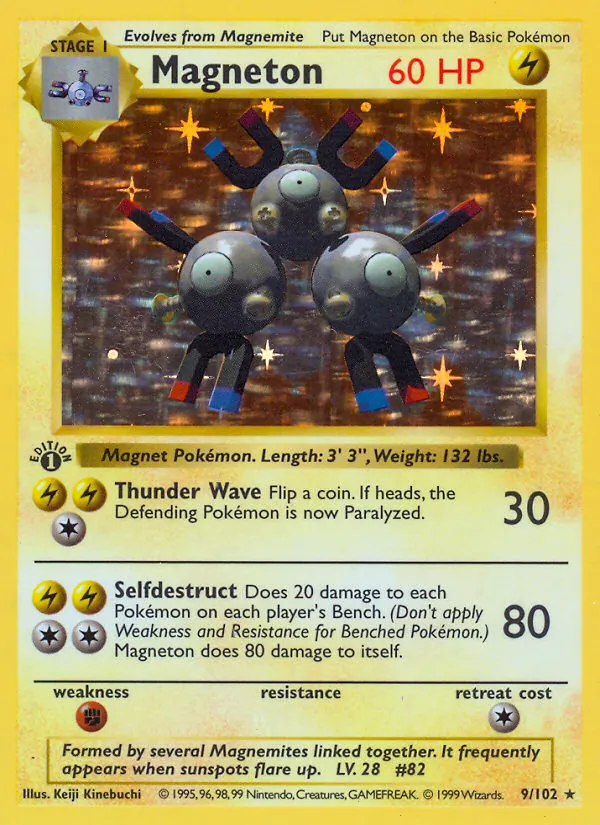
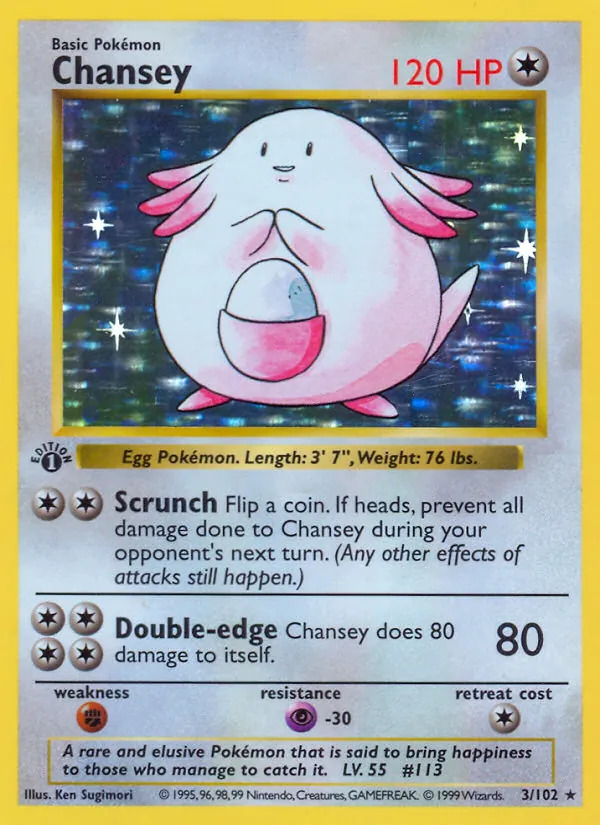
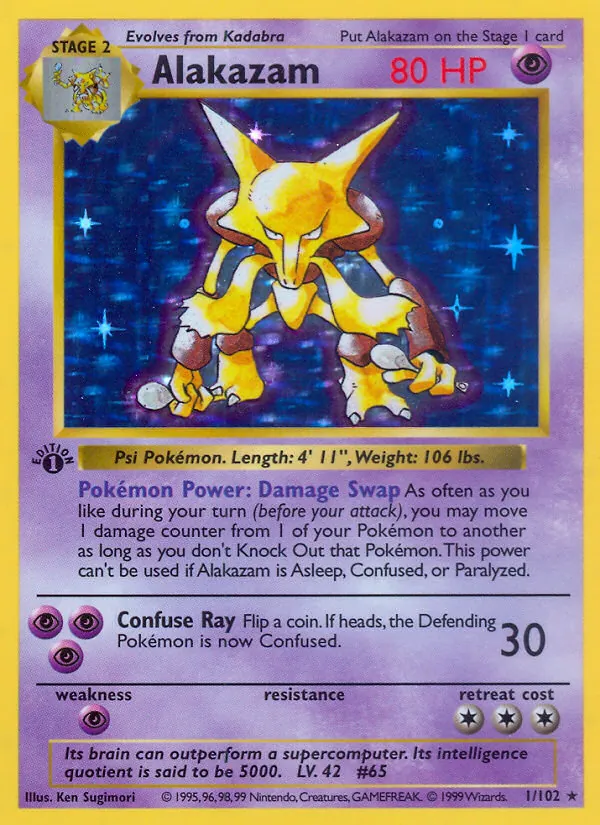
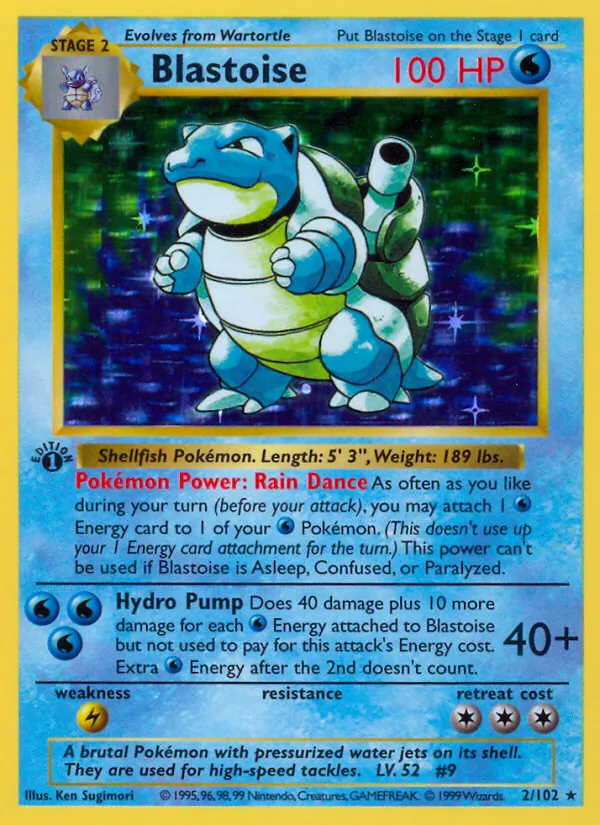
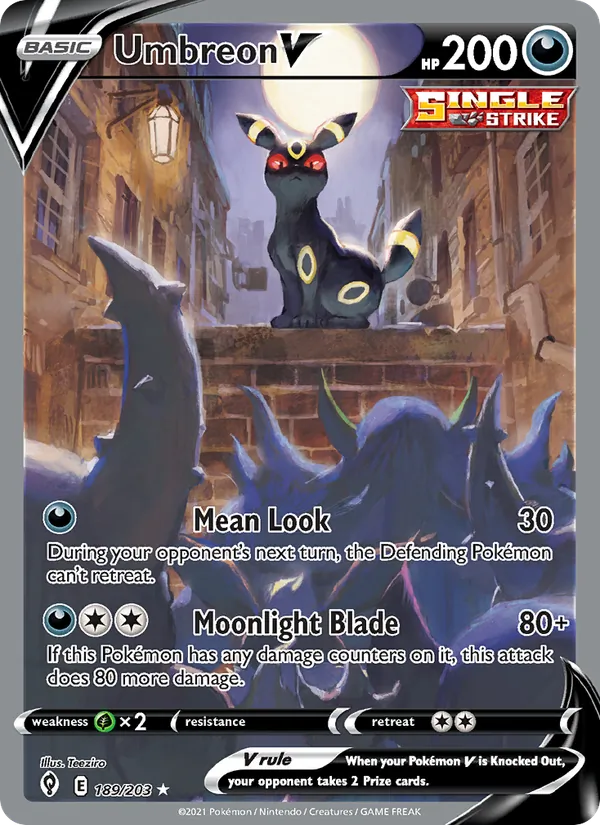
If you have a shoebox of cards in a closet, or you buy a booster box every time a new set drops, this letter is for you.
Some people treat their cards like a small shop instead of a lottery ticket. They buy whole collections, sort them properly, grade the right few and sell the rest with a plan. This book shows you how they do it.
Most people treat Pokémon cards like a lottery.
They buy sealed packs, open them, hope for a big pull and sell the rest for pennies. That habit usually costs three things:
1
Money. Most packs are worth less than you paid the moment you open them.
2
Time. Listing a common card takes as long as listing a rare one.
3
Timing. It is easy to buy at the top of the hype and sell at the bottom.
There is a calmer way to do it.
Buy like a dealer, not a collector. Look at whole collections, know what is inside before you pay, grade only the cards that deserve it and sell the rest in lots. Every card gets a job.
How I got into it
Hi, I run SideScales.Collector since the first base set
In January I bought a stranger’s childhood collection off Facebook Marketplace. Two binders and a shoebox. I nearly sold it straight back because I had no idea what I was looking at.
Instead I sat down and sorted it card by card. I learned what to check, what to send for grading and what to bundle. Then I did it again with the next collection, and the one after that.
By September, buying and sorting collections had become a real side business I run on evenings and weekends. I wrote down every step, every message and every mistake. That is this book.
Collections I bought and sorted each monthLast 9 months
5in September
The whole system is four steps
One book per step, with real examples, real listings and the exact messages I send sellers.
1
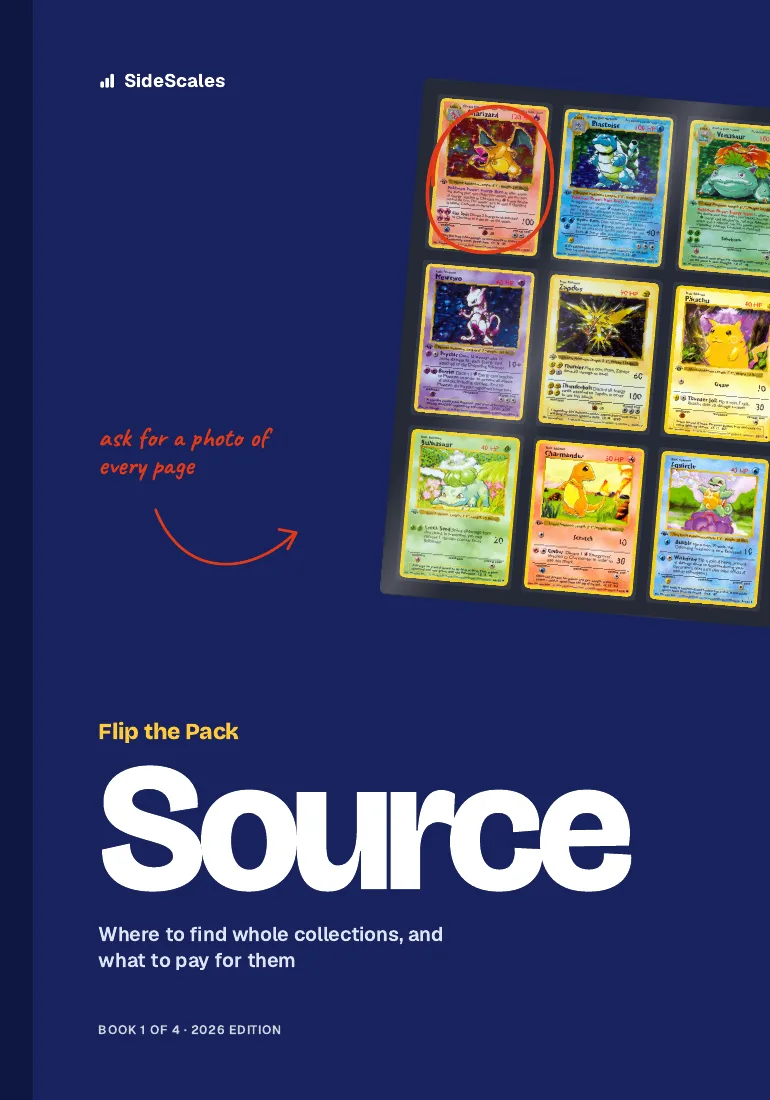
SourceWhere to find whole collections, and the 3 questions to ask before you pay.
2
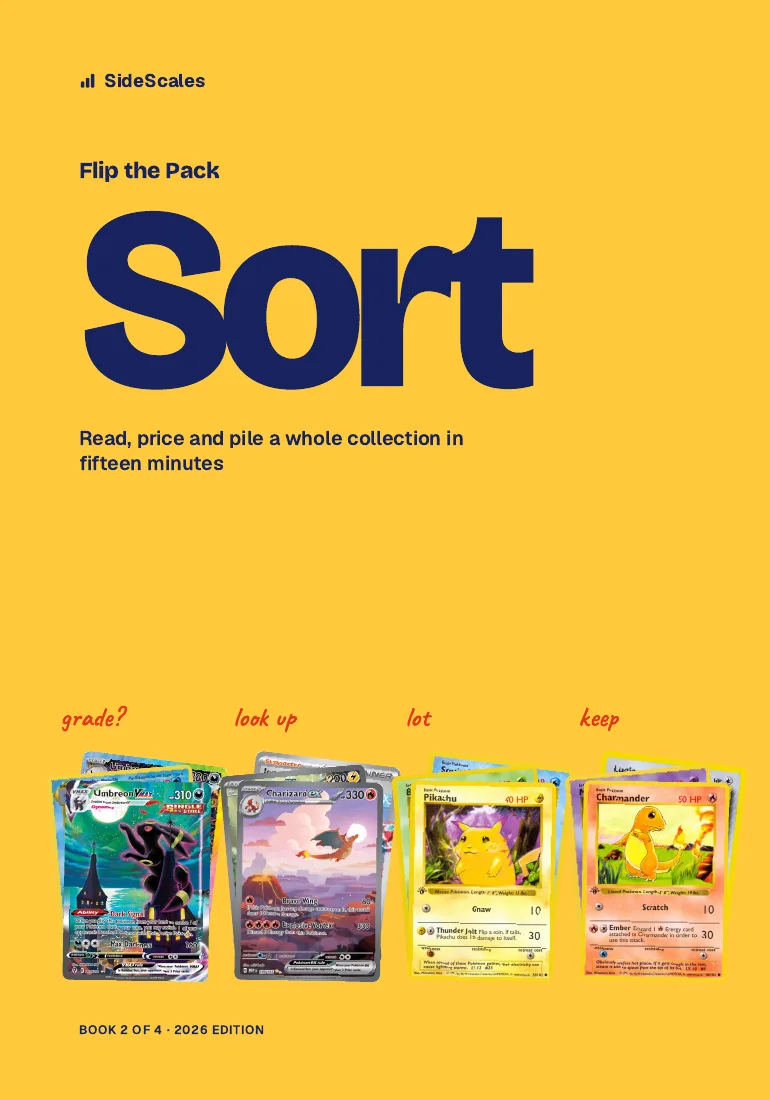
SortThe 15-minute sort that separates the cards worth a closer look from the rest.
3
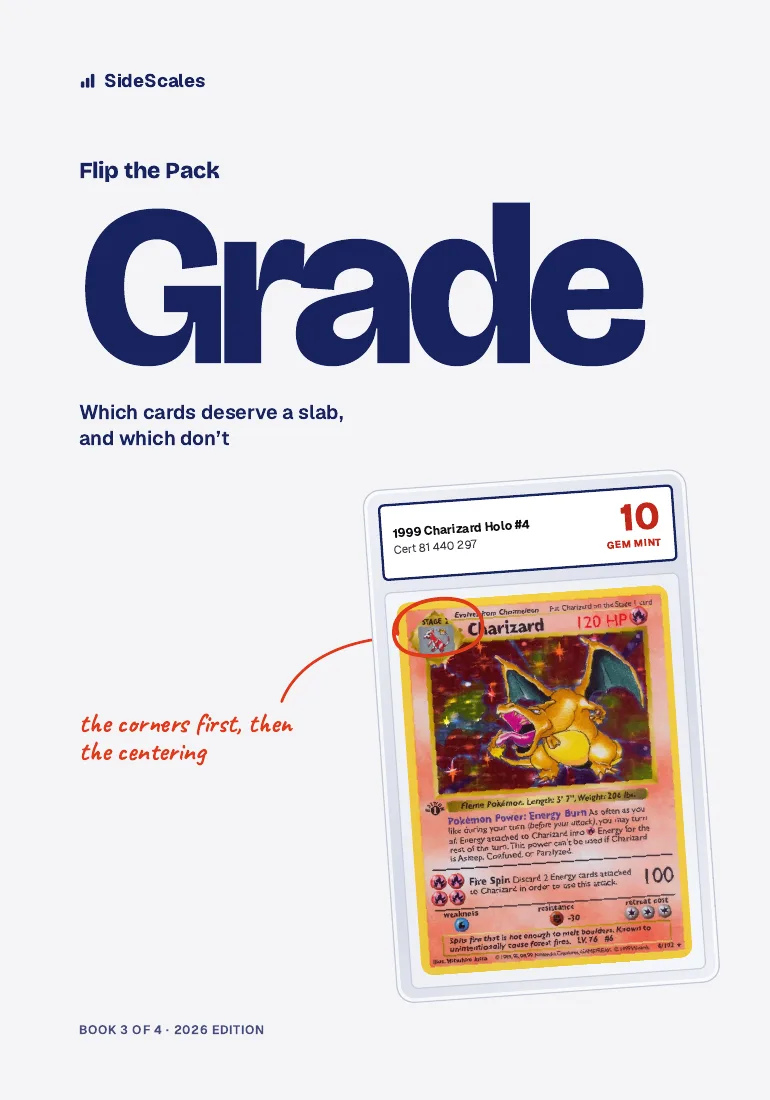
GradeWhich cards are worth grading, how to check condition at home, and when to skip it.
4
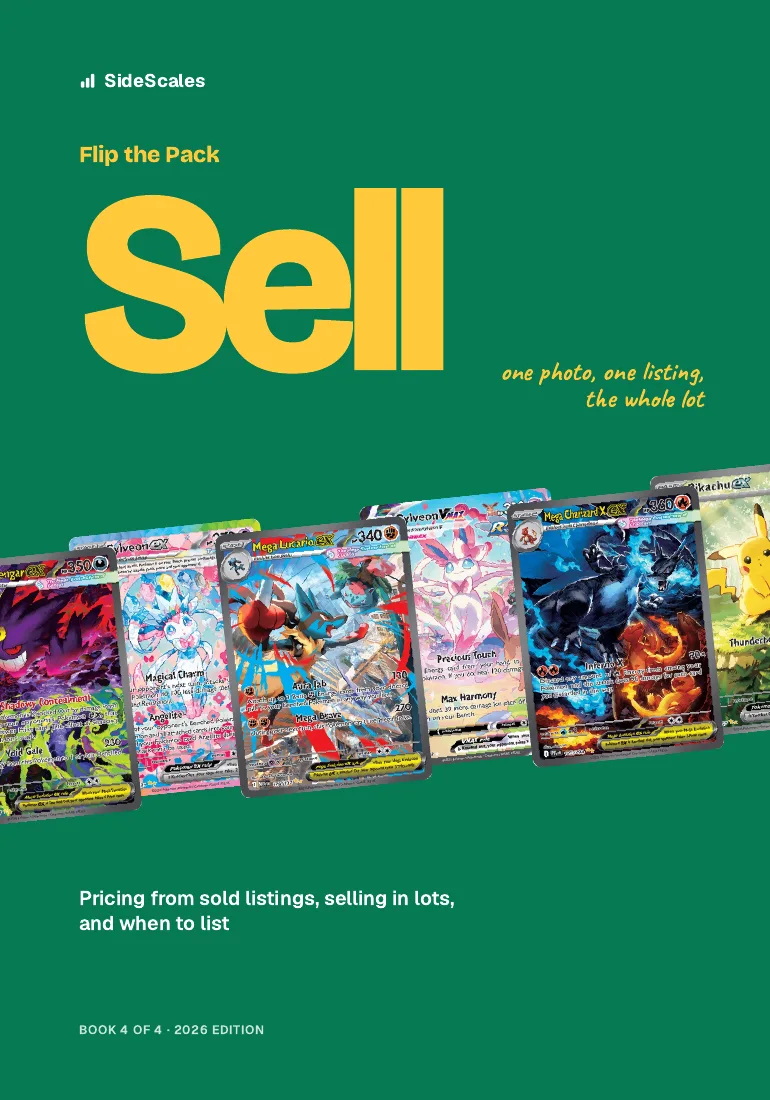
SellPricing from real sold listings, selling in lots, and when to list.
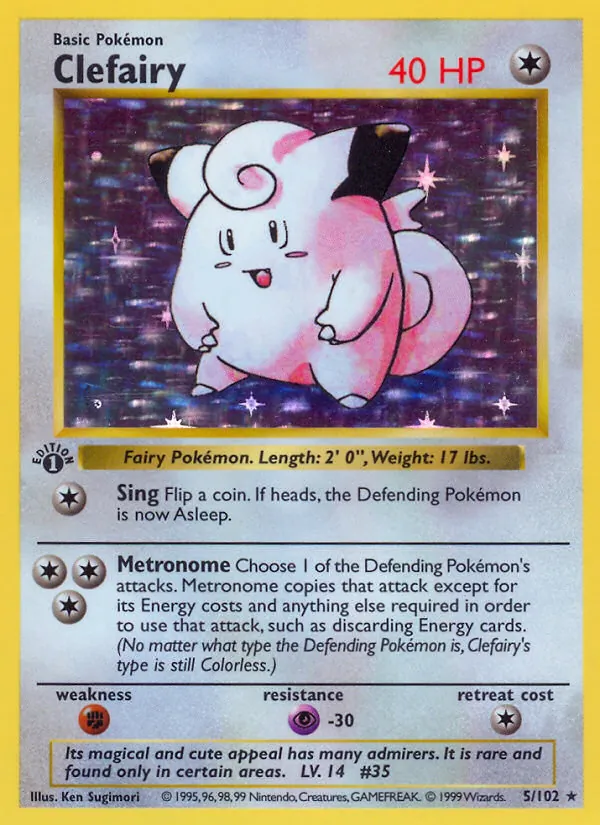
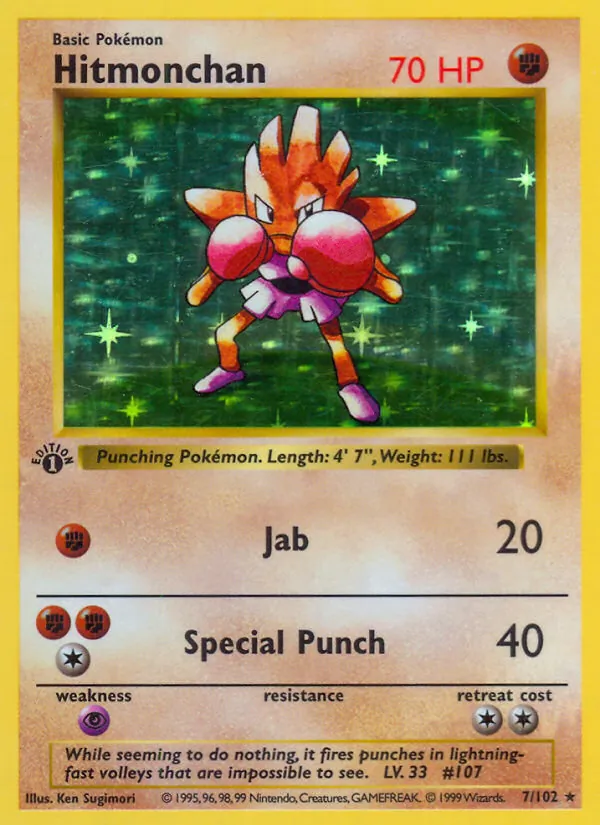
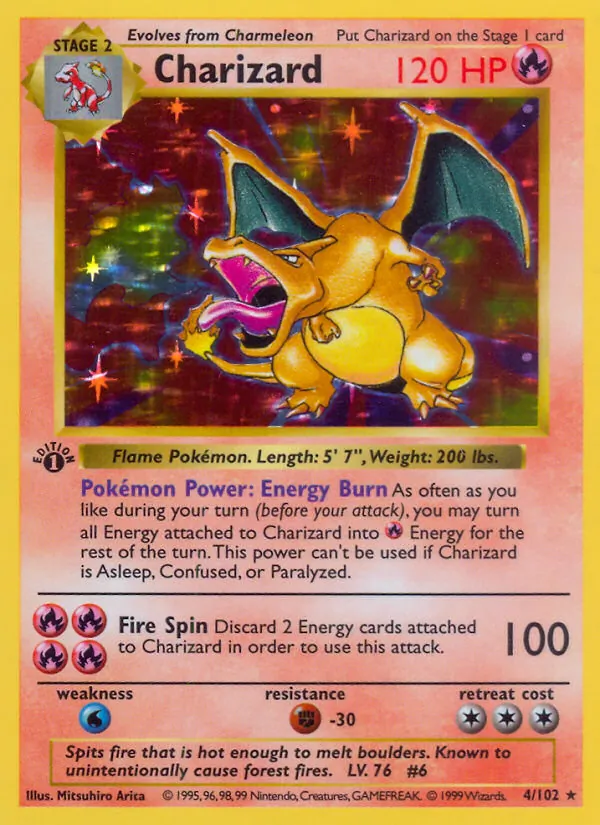
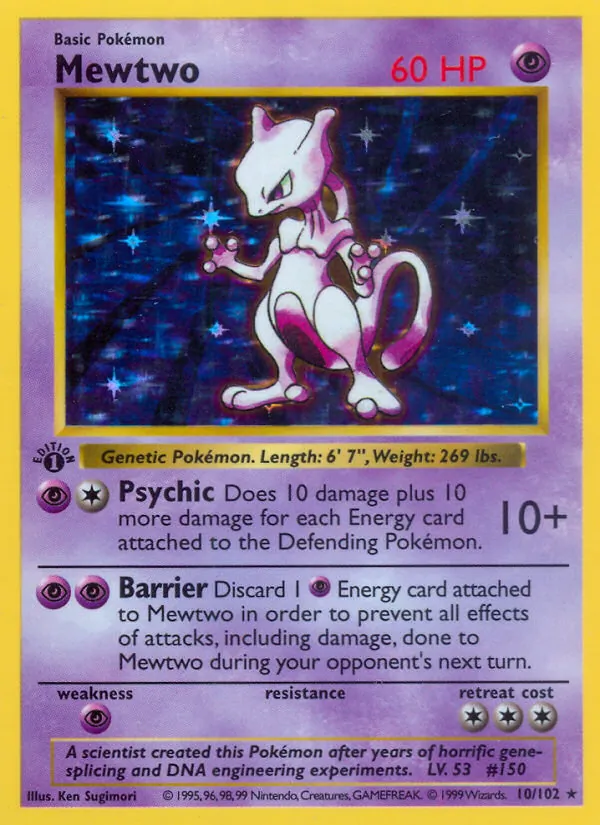
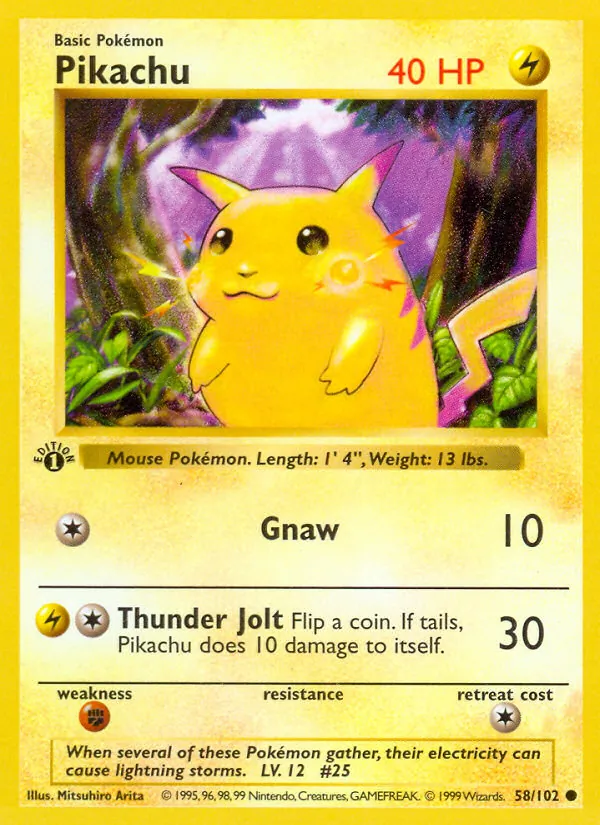
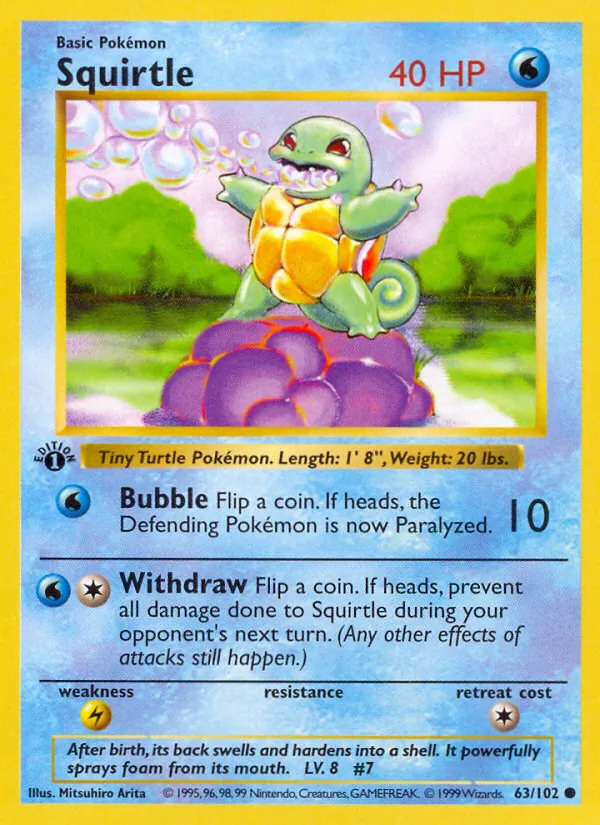
Two cards from the same box, two different decisions
Centering
Corners
Surface
Sell raw
Centering
Corners
Surface
Worth grading
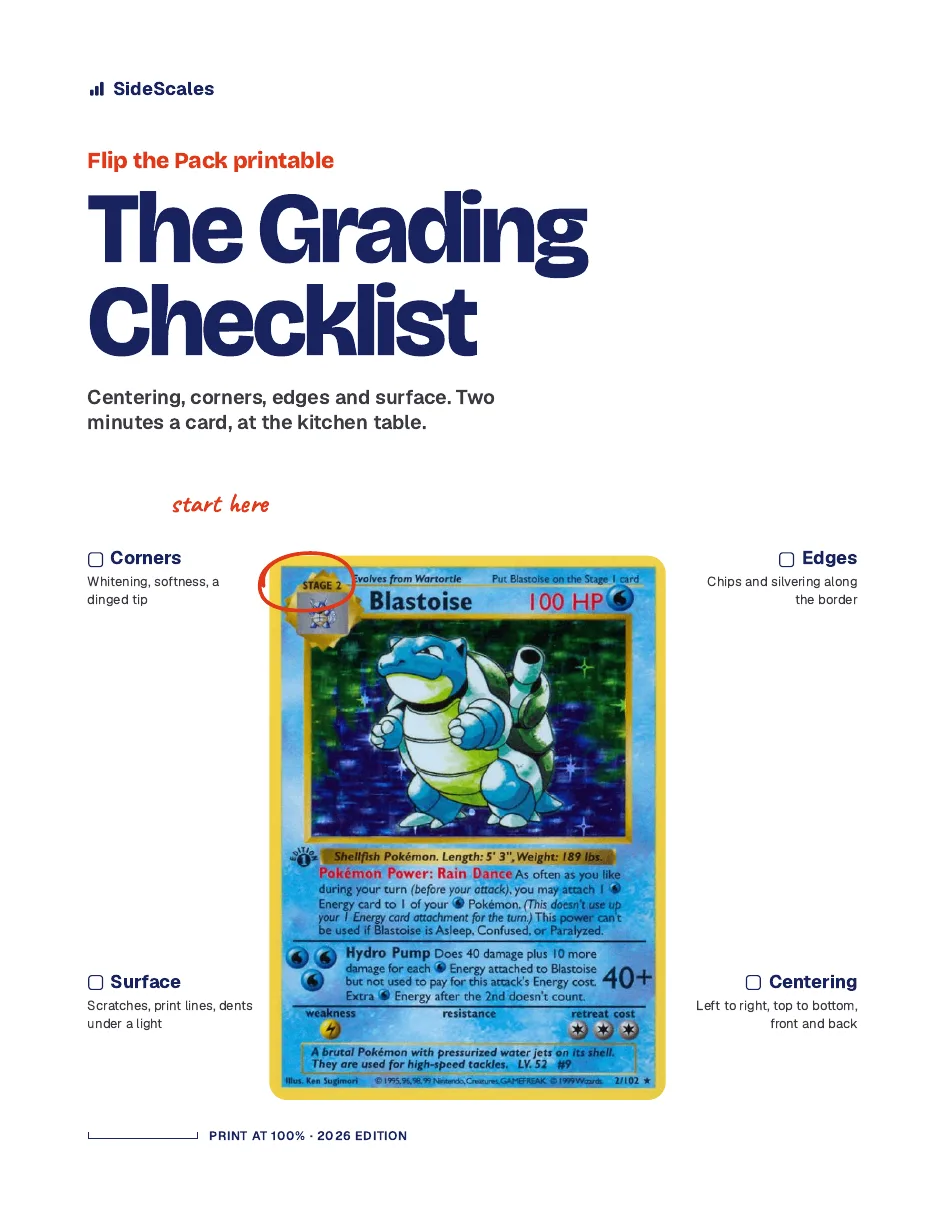
a 2-minute check at the kitchen table. book 3.
What the 15-minute sort looks like
Every card in a collection lands in one of four piles. Book 2 shows you how to tell them apart.
Holo rares with clean cornersCheck for grading
Modern alternate art cardsLook up sold listings
Commons and uncommonsSell as a lot
Creased or damaged cardsKeep or bundle
Also included
The Grading ChecklistCheck centering, corners and surface at home in two minutes a card.
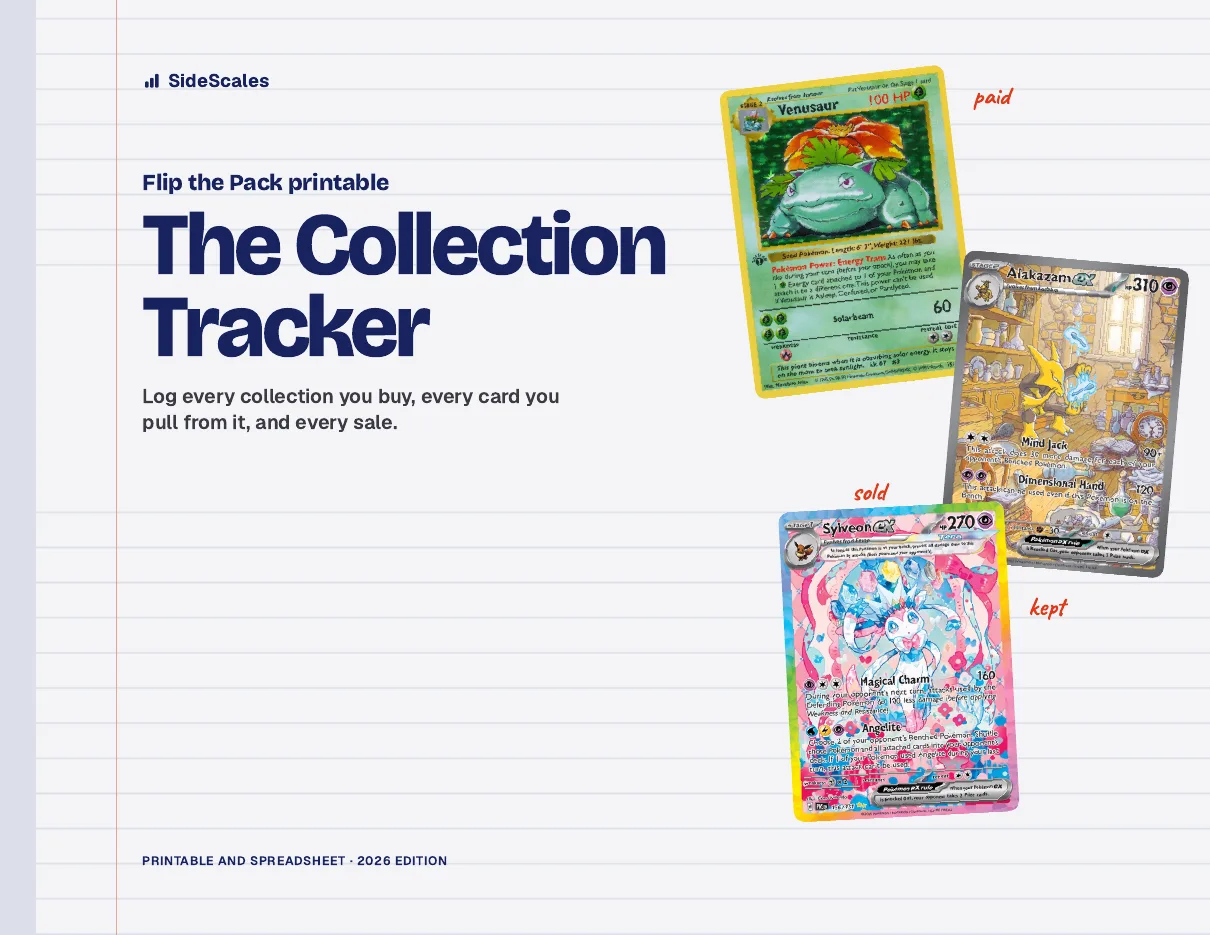
The Collection TrackerThe spreadsheet I use to log every collection, card and sale.
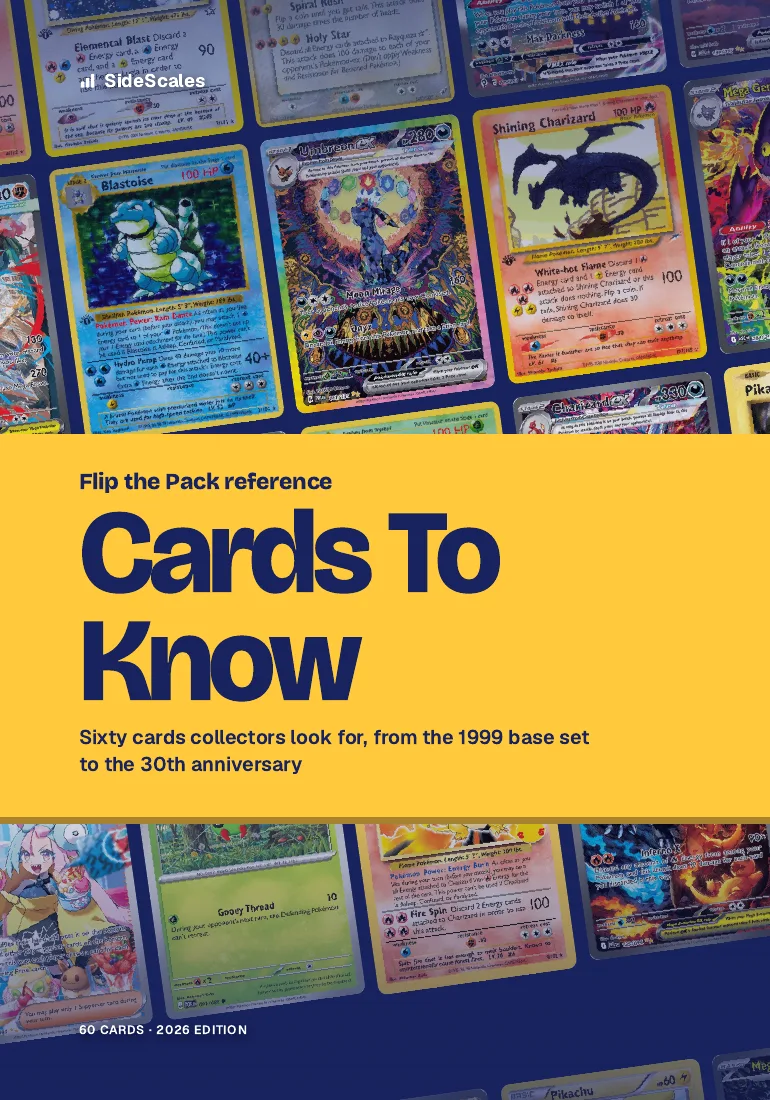
Cards To KnowSixty vintage and modern cards collectors look for, updated each set.
What readers say
TomStudent, 19
Used the message on p. 14 to buy my first collection. The sorting chapter made the whole thing feel easy.
Sep 3
Ken Ito@kencards
The grading checklist changed how I look at cards. I stopped sending in ones that were never going to grade well.
2,190 likes
SofiaMum of two
Went through my kids’ old binder with book 2. I had no idea what to look for before. Now I do.
Aug 29
DanWeekend collector
Selling most cards in lots now, like the book says. So much less time spent listing.
Sep 19
What it costs
$27, one payment. No subscription, no upsell calls. You get the book and everything below, and you keep it.